

Beginning with Is an Early Childhood Education Degree Worth It? Salary Trends in 2026, the narrative unfolds in a compelling and distinctive manner, drawing readers into a story that promises to be both engaging and uniquely memorable.
The content of the second paragraph that provides descriptive and clear information about the topic
Early Childhood Education Degree Overview
Early Childhood Education degrees play a crucial role in preparing individuals to work with young children during their formative years. These programs provide students with the necessary knowledge and skills to create a positive learning environment and support children's growth and development.
Core Components of an Early Childhood Education Program
- Child Development: Students learn about the different stages of child development, including physical, cognitive, social, and emotional milestones.
- Curriculum Planning: The program covers how to design age-appropriate lesson plans and activities that promote learning and development.
- Classroom Management: Students are taught strategies for creating a safe and engaging classroom environment that fosters learning.
- Parent Involvement: The importance of building strong relationships with parents and involving them in their child's education is emphasized.
Skills and Knowledge Gained through a Degree in Early Childhood Education
- Effective Communication: Students develop strong communication skills to interact with children, parents, and colleagues effectively.
- Understanding Diversity: The program teaches students to appreciate and respect cultural, linguistic, and individual differences among children and families.
- Educational Theory: Students learn about various educational theories and methods that inform their teaching practices.
- Evaluation and Assessment: The ability to assess children's progress and adjust teaching strategies accordingly is a key skill acquired through the program.
Salary Trends in Early Childhood Education
Early Childhood Education professionals play a vital role in shaping the minds of young children. Let's delve into the current salary trends in this field and explore the growth potential for different roles within it.
Salary Growth Potential
Early Childhood Education professionals can expect varying salary growth potential depending on their roles within the field. Here is a comparison of the salary growth potential for different positions:
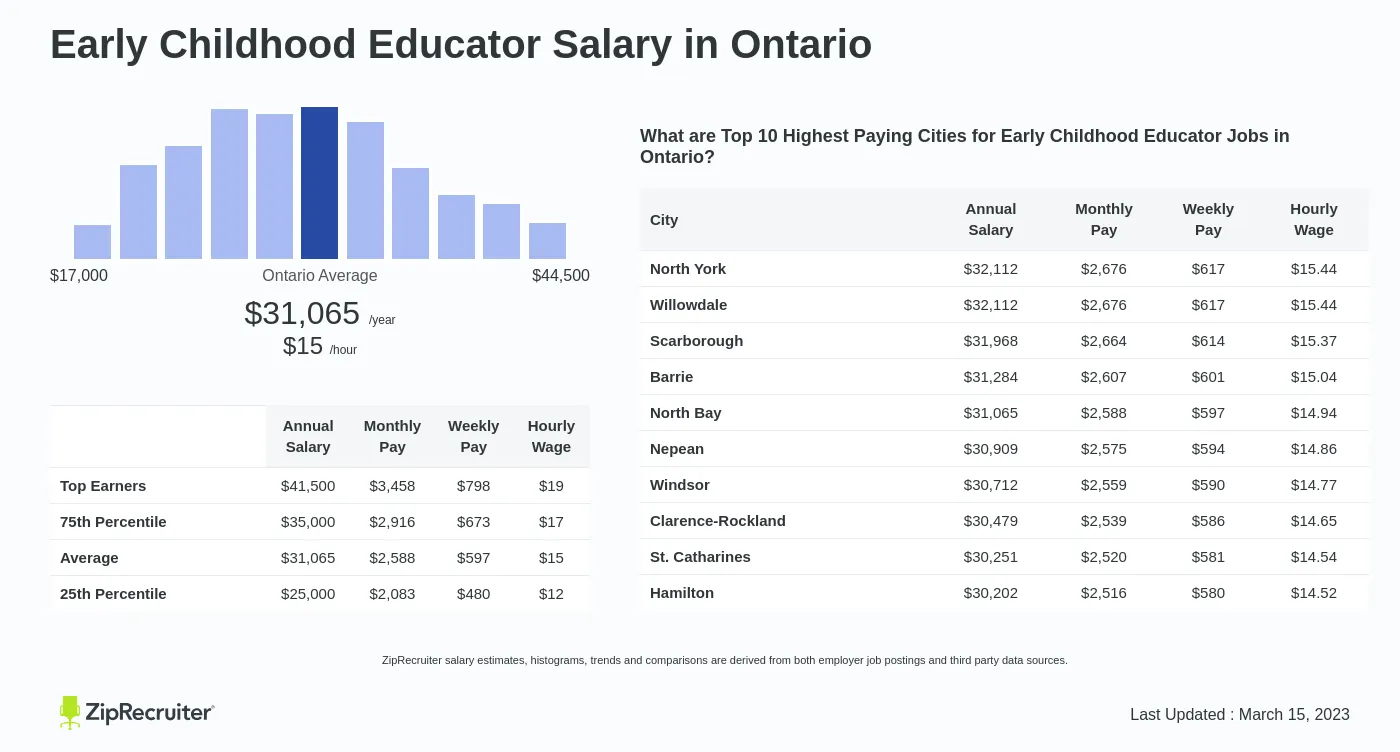
- Preschool Teachers: Preschool teachers typically earn a median salary of around $30,000 per year. With experience and additional qualifications, they can progress to lead teacher roles, which offer higher salaries.
- Childcare Directors: Childcare directors are responsible for overseeing the operations of childcare centers. They earn a median salary of approximately $48,000 per year. As they gain more experience and manage larger facilities, their salaries can increase significantly.
- Early Childhood Education Administrators: Administrators in this field, such as preschool directors or education coordinators, earn a median salary of about $50,000 per year. As they take on more responsibilities and lead larger programs, their salaries can rise even further.
Factors Influencing Salary Trends
Several factors influence the salary trends in Early Childhood Education, including:
- Educational Qualifications: Higher degrees and certifications often lead to higher salaries in this field.
- Years of Experience: Professionals with more experience tend to command higher salaries due to their expertise and skills.
- Location: Salaries can vary based on the cost of living in different regions, with urban areas generally offering higher pay.
- Employer Type: Salary levels can differ between public and private childcare centers, as well as non-profit organizations and government agencies.
Job Opportunities in 2026
As the field of Early Childhood Education continues to evolve, the job opportunities for degree holders are expected to grow in 2026. The demand for professionals in this sector is on the rise, with various career paths opening up within the field.
Projected Job Opportunities
- The demand for preschool teachers is projected to increase as more families recognize the importance of early childhood education in a child's development.
- Childcare center directors will also be in high demand to oversee operations and ensure quality care for young children.
- Special education teachers specializing in early childhood will have opportunities to work with children with diverse learning needs.
Emerging Career Paths
- Child life specialists are becoming more prevalent in hospitals and healthcare settings, providing support to children and families during challenging times.
- Parent educators are being sought after to provide guidance and support to parents in fostering their child's early development.
- Early intervention specialists work with young children who have developmental delays or disabilities to provide support and resources for their families.
Return on Investment (ROI) of an Early Childhood Education Degree
 Investing in an Early Childhood Education degree can lead to a promising return on investment (ROI) over time. Let's explore the potential financial benefits of pursuing this educational path.
Cost of Education vs. Earning Potential
When considering the cost of obtaining an Early Childhood Education degree, it is essential to weigh it against the expected earning potential post-graduation. While the initial investment in education may seem significant, the long-term benefits can outweigh the costs. According to data, the median annual wage for preschool teachers in 2020 was $30,520, with potential for growth as you gain experience and advance in your career.Long-Term Financial Benefits
One of the key long-term financial benefits of investing in an Early Childhood Education degree is the stability and job security it can provide. The demand for qualified early childhood educators is expected to grow in the coming years, creating more job opportunities and potential for career advancement. Additionally, as you gain experience and further your education, you may be eligible for higher-paying positions and increased earning potential. Ultimately, the ROI of an Early Childhood Education degree extends beyond monetary value, as it allows you to make a positive impact on the lives of young children and contribute to the future generation.Ending Remarks
The content of the concluding paragraph that provides a summary and last thoughts in an engaging manner
FAQ Resource
Is a degree in Early Childhood Education worth it in terms of salary prospects?
Yes, with the increasing demand for qualified professionals, the salary trends for Early Childhood Education degree holders are expected to rise significantly by 2026.
What are the key factors influencing salary trends in Early Childhood Education?
Factors such as experience, location, level of education, and additional certifications can impact the salary growth potential in this field.
What are some emerging career paths within the field of Early Childhood Education?
Emerging career paths include roles in educational technology, special education, curriculum development, and educational consulting.