


Exploring the profound effects of an Early Childhood Education Degree on Child Development, this piece invites readers into a world where education shapes the future of our youngest learners. With a blend of research and practical insights, this discussion promises to shed light on the critical role educators play in nurturing young minds.
In the subsequent section, we will delve deeper into the key aspects of how an early childhood education degree impacts child development.
Importance of an Early Childhood Education Degree
Obtaining a degree in early childhood education holds immense significance in the field of education. It equips educators with the necessary knowledge and skills to understand and cater to the unique needs of young children, thereby positively impacting their development.
Impact on Child Development
An education degree in early childhood education plays a crucial role in shaping the development of children in various ways:
- Understanding Child Development: Formal education provides educators with in-depth knowledge about the physical, cognitive, social, and emotional development of children. This enables them to create developmentally appropriate learning experiences.
- Promoting Healthy Growth: Educators with a degree in early childhood education are better equipped to promote healthy growth and development in children by implementing evidence-based practices and interventions.
- Enhancing Learning Outcomes: Through specialized training, educators can design curriculum and activities that support the holistic development of children, leading to improved learning outcomes.
- Building Strong Foundations: Early childhood education degrees help educators lay strong foundations for lifelong learning, social skills, and emotional well-being in children, setting them up for future success.
Curriculum and Courses
In an early childhood education degree program, students typically undergo a curriculum that covers a wide range of courses designed to equip them with the necessary knowledge and skills to work effectively with young children. The curriculum is carefully crafted to ensure educators are well-prepared to enhance child development through various teaching strategies and approaches.Core Courses
- Child Development: Focuses on understanding the physical, cognitive, emotional, and social development of children from birth to adolescence.
- Early Childhood Education Principles: Covers the theories and practices of teaching young children, including curriculum planning and classroom management.
- Literacy and Language Development: Explores strategies for fostering language and literacy skills in young learners.
- Assessment and Evaluation: Teaches methods for assessing children's progress and development to tailor instruction accordingly.
Specialization Options
Within the early childhood education degree program, students may have the opportunity to specialize in various areas to further enhance their expertise and cater to specific developmental needs of children.
- Special Education: Focuses on working with children with special needs and developing inclusive classroom environments.
- Infant and Toddler Care: Concentrates on early childhood development from birth to age three, emphasizing the unique needs of infants and toddlers.
- Curriculum Development: Centers on designing and implementing effective curriculum plans to promote holistic child development.
- Parent and Family Engagement: Emphasizes building strong partnerships with families to support children's learning and development.
Preparation for Enhancing Child Development
The curriculum in an early childhood education degree program equips educators with the knowledge and skills needed to create nurturing and stimulating environments that promote optimal child development. By understanding child development theories, learning effective teaching strategies, and gaining hands-on experience through practicum placements, graduates are prepared to positively impact the lives of young children and help them reach their full potential.
Practical Experience
 In an early childhood education degree program, practical experience plays a crucial role in preparing future educators to work effectively with young children. This hands-on component allows students to apply theoretical knowledge in real-world settings, gaining valuable insights and skills that are essential for supporting child development.
Role of Internships, Practicums, and Fieldwork
Internships, practicums, and fieldwork experiences are integral parts of an early childhood education degree. These opportunities provide students with the chance to observe, interact with, and teach young children under the guidance of experienced educators. By participating in these practical experiences, students can:- Gain firsthand knowledge of child development: Through direct interactions with children, students can observe developmental milestones, behaviors, and learning styles in real-time.
- Apply teaching strategies and techniques: Internships and practicums allow students to test out different teaching methods and approaches in a supportive environment, honing their skills and identifying what works best for individual children.
- Develop classroom management skills: Working in real classrooms helps students learn how to create a positive and engaging learning environment, manage behavior effectively, and address the diverse needs of young learners.
- Build relationships with children and families: Fieldwork experiences provide opportunities for students to establish connections with children, families, and communities, fostering a deeper understanding of the importance of collaboration and communication in early childhood education.
Impact on Teaching Strategies
Having an early childhood education degree significantly influences teaching strategies by providing educators with a solid foundation of knowledge and skills to effectively engage with young learners.
Application of Developmental Theories
Teachers with an early childhood education degree often apply developmental theories such as Piaget's stages of cognitive development or Vygotsky's sociocultural theory in their classroom practices. By understanding how children learn and develop, educators can tailor their teaching strategies to meet the specific needs of each child.
Use of Play-Based Learning
- Utilizing play-based learning approaches, educators can create a dynamic and engaging environment where children can explore, experiment, and learn through hands-on activities.
- Through structured play experiences, teachers can promote social, emotional, and cognitive development while fostering a love for learning in young children.
Individualized Instruction
- With knowledge gained from their degree program, educators can implement individualized instruction strategies to cater to the diverse learning styles and abilities of children in the classroom.
- By differentiating instruction based on each child's strengths and areas for growth, teachers can create a supportive learning environment that maximizes student success.
Influence on Social and Emotional Development
Early childhood education degrees play a crucial role in shaping the social and emotional development of young children. Educators who have undergone training in this field are equipped with the knowledge and skills to create a supportive environment that fosters healthy social interactions and emotional growth.
Strategies for Social and Emotional Growth
One key strategy learned in early childhood education programs is the importance of promoting positive relationships among children. Educators are taught to model and encourage empathy, cooperation, and conflict resolution skills to help children navigate social interactions effectively. Additionally, programs emphasize the significance of creating a safe and inclusive classroom environment where children feel valued and supported.
Educators’ Role in Fostering Healthy Social Interactions
Educators with an early childhood education degree understand the impact of their interactions on children's social and emotional development. They are trained to recognize and address the unique needs of each child, providing individualized support to promote positive social behaviors. By cultivating a sense of belonging and community within the classroom, educators can help children develop important social skills that will benefit them throughout their lives.
Collaboration with Parents and Communities
Early childhood educators play a crucial role in collaborating with parents and communities to ensure the holistic development of children. This collaboration is essential for creating a supportive environment that nurtures a child's growth and learning.
Building Meaningful Partnerships
In an early childhood education degree program, emphasis is placed on building meaningful partnerships with parents and communities. Educators are trained to communicate effectively with families, involve them in their child's learning journey, and seek input on their child's development.
Impact of Involving Families and Communities
- Enhanced Learning Opportunities: Involving families and communities in educational initiatives creates more diverse learning opportunities for children. Parents and community members can share their knowledge and experiences, enriching the learning environment.
- Support for Children's Development: Collaborating with parents and communities ensures that children receive consistent support both at home and in educational settings. This support network contributes to the overall well-being and development of the child.
- Cultural Understanding: By involving families and communities, educators can gain a better understanding of the cultural backgrounds and beliefs of the children in their care. This knowledge helps in creating a more inclusive and culturally responsive learning environment.
Conclusion
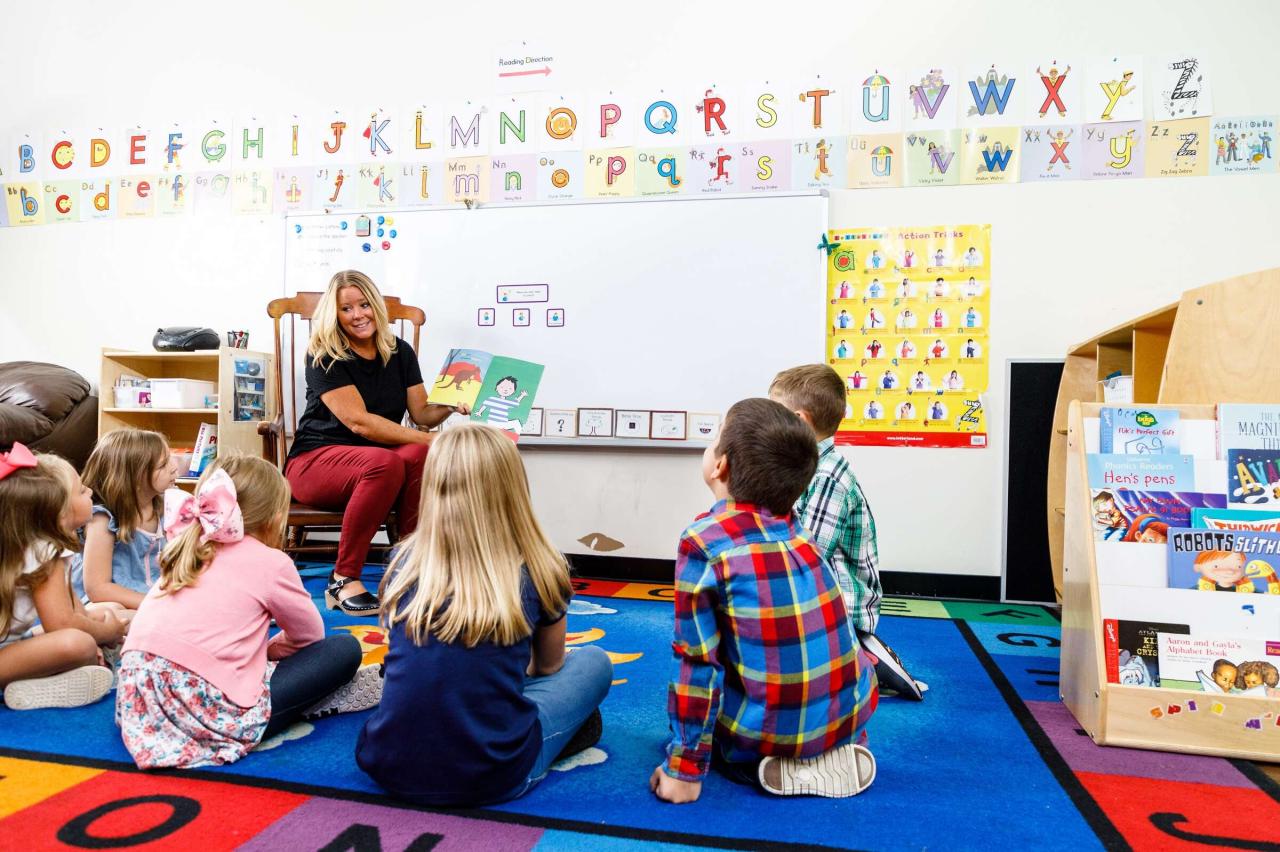
In conclusion, the journey through the influence of an Early Childhood Education Degree on Child Development showcases the transformative power of education in shaping the trajectory of children's lives. By understanding the significance of this degree, we pave the way for a brighter future for the next generation.
General Inquiries
How does obtaining a degree in early childhood education impact a child's development?
Obtaining a degree in early childhood education equips educators with the knowledge and skills necessary to create enriching learning environments that promote holistic child development.
What role does practical experience play in an early childhood education degree?
Practical experience, such as internships and fieldwork, allows educators to apply theoretical knowledge in real-world settings, enhancing their understanding of child development.
How does an early childhood education degree influence teaching strategies?
An early childhood education degree provides educators with a solid foundation of educational theories that can be applied in classroom settings to enhance teaching strategies tailored to children's developmental needs.
What strategies are learned in the program to support social and emotional growth in children?
The program teaches educators methods to promote social and emotional development through activities that encourage empathy, communication, and self-regulation in children.