


Embarking on the journey of selecting the best online college involves navigating through various crucial factors, with accreditation being a cornerstone. This guide will delve into the significance of accreditation and provide insights on making informed decisions when choosing among the top online colleges.
Factors to Consider When Choosing an Online College
When deciding on an online college, there are several crucial factors to take into account to ensure you make the best choice for your education and future career. These factors include accreditation, reputation, program offerings, faculty qualifications, and student support services.Accreditation: A Top Priority
Accreditation should be at the top of your list when selecting an online college. Accreditation ensures that the institution meets certain standards of quality and that your degree will be recognized by employers and other educational institutions. Without proper accreditation, your degree may not hold the same value in the job market.- Accreditation impacts the quality of education by ensuring that the curriculum meets specific standards set by accrediting bodies.
- Employers often prefer candidates with degrees from accredited institutions, as it demonstrates a level of quality and rigor in education.
- Accreditation can also affect your ability to transfer credits to other institutions or pursue further education in the future.
Other Factors to Consider
While accreditation is crucial, other factors play a role in choosing the right online college for you. Consider the reputation of the institution, the variety and relevance of program offerings, the qualifications of the faculty members, and the availability of support services for online students.- Reputation: Look for colleges with a strong reputation in your field of interest to ensure you receive a quality education.
- Program Offerings: Choose a college that offers programs that align with your career goals and interests.
- Faculty Qualifications: Ensure that the faculty members are experienced and qualified to provide you with a high-quality education.
- Student Support Services: Online students may need additional support, so look for colleges that offer resources such as academic advising, technical support, and career services.
Types of Accreditation and Their Significance
Accreditation is a crucial factor to consider when choosing an online college. It ensures that the institution meets certain quality standards and that your degree will be recognized by employers and other academic institutions. There are two main types of accreditation: regional accreditation and national accreditation.Regional Accreditation
Regional accreditation is considered the gold standard in accreditation for colleges and universities in the United States. It is granted by one of seven regional accrediting bodies, depending on the location of the institution. Some advantages of regional accreditation include:- Widely recognized and respected by employers and other academic institutions.
- Credits are more likely to transfer to other regionally accredited institutions.
- Typically more expensive than nationally accredited institutions.
- May have stricter admission requirements.
National Accreditation
National accreditation is usually granted to vocational or technical schools, religious institutions, and for-profit colleges. Some advantages of national accreditation include:- Generally more flexible admission requirements.
- Often more affordable than regionally accredited institutions.
- Credits may not transfer to regionally accredited institutions.
- Not as widely recognized or respected by employers.
Researching Accreditation Status of Online Colleges
When considering attending an online college, it is crucial to verify its accreditation status to ensure the quality and legitimacy of the education you will receive.Where to Find Reliable Information
- Check the college's official website: Look for a dedicated section on accreditation, which should provide details about the accrediting agency and the programs accredited.
- Use the U.S. Department of Education's Database: The Database of Accredited Postsecondary Institutions and Programs allows you to search for accredited institutions and programs.
- Consult the Council for Higher Education Accreditation (CHEA): CHEA recognizes accrediting organizations, and you can use their database to verify accreditation status.
Consequences of Attending an Unaccredited Online College
Attending an unaccredited online college can have serious repercussions, including:- Lack of recognition by employers and other educational institutions
- Ineligibility for federal financial aid
- Potential difficulties in transferring credits to accredited institutions
Identifying Accreditation Mills or Fake Agencies
To avoid falling victim to accreditation mills or fake accrediting agencies, consider the following tips:- Verify the accrediting agency's legitimacy through the U.S. Department of Education or CHEA
- Be cautious of agencies that offer accreditation for a fee or with minimal evaluation
- Research the accrediting agency's history, reputation, and recognition in the academic community
Accreditation Agencies and Their Evaluation Criteria
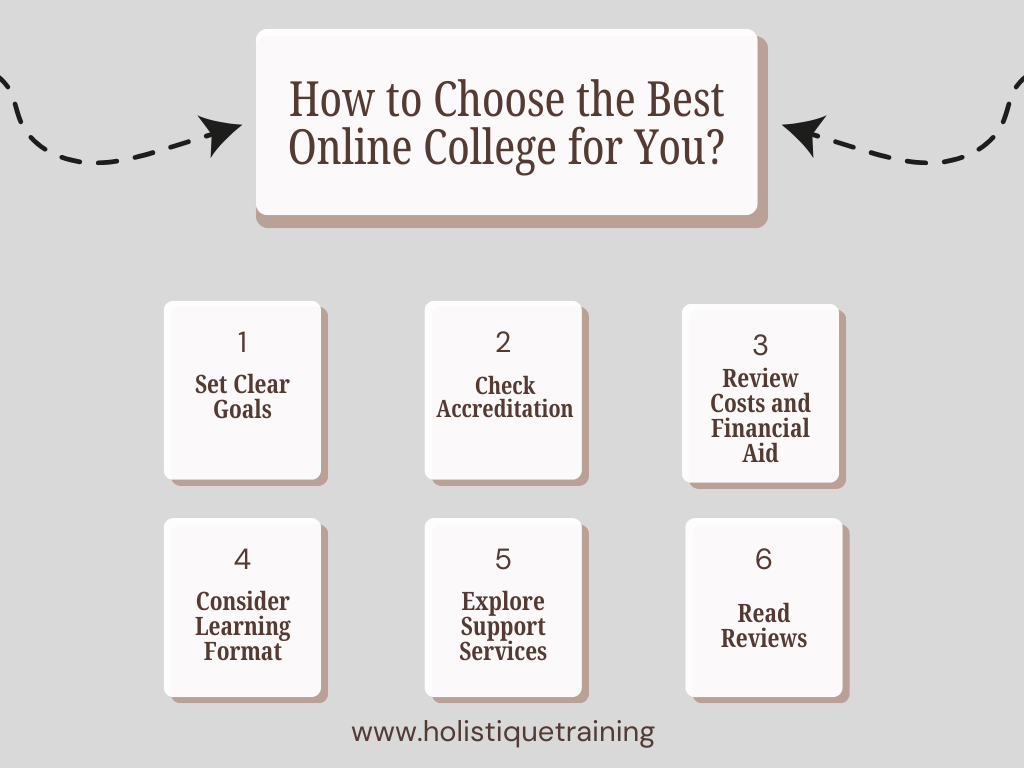 Accreditation agencies play a crucial role in ensuring the quality and standards of education provided by online colleges. These agencies evaluate various aspects of an institution to determine if it meets their set criteria for accreditation.
Prominent Accreditation Agencies and Their Evaluation Criteria
- The Higher Learning Commission (HLC): The HLC evaluates factors such as educational quality, institutional integrity, and ethical practices to ensure colleges meet their standards.
- Accrediting Commission of Career Schools and Colleges (ACCSC): ACCSC focuses on the quality of career education programs, ensuring they align with industry standards and provide students with relevant skills.
- Distance Education Accrediting Commission (DEAC): DEAC specifically accredits online and distance education institutions, assessing factors like curriculum, student support services, and faculty qualifications.
Comparison of Accreditation Standards
- While each accreditation agency may have specific criteria, they all share a common goal of promoting academic excellence and student success.
- Accreditation standards may vary in terms of focus areas, such as curriculum quality, student outcomes, faculty qualifications, and institutional resources.
Impact of Evaluation Criteria on Education Quality
- The evaluation criteria set by accreditation agencies ensure that online colleges maintain high standards of education and continuously strive for improvement.
- By assessing factors like curriculum relevance, student support services, and faculty qualifications, accreditation agencies help institutions enhance the overall learning experience for students.
Role of Accreditation Agencies in Maintaining Standards
- Accreditation agencies serve as external bodies that hold online colleges accountable for meeting established educational standards and guidelines.
- Through regular evaluations and reviews, accreditation agencies help institutions identify areas for improvement and ensure they are providing quality education to students.
Final Summary
In conclusion, the importance of accreditation in determining the quality of education and future opportunities cannot be overstated. By prioritizing accreditation when selecting an online college, individuals pave the way for a successful academic and professional journey.
Query Resolution
What is regional accreditation?
Regional accreditation is typically considered more prestigious and widely accepted than national accreditation. It signifies that a college meets high standards of academic quality.
How can I verify the accreditation status of an online college?
You can check the accreditation status of an online college by visiting the website of recognized accreditation agencies or the college's official website.
What are the consequences of attending an unaccredited online college?
Attending an unaccredited online college may result in issues with credit transfer, limited job prospects, and lack of recognition by other institutions.
Which are some prominent accreditation agencies for online colleges?
Prominent accreditation agencies for online colleges include the Higher Learning Commission, Accrediting Commission of Career Schools and Colleges, and Distance Education Accrediting Commission.