


Delving into Best Online Colleges vs. Traditional Campus: Which Offers Better ROI?, this introduction immerses readers in a unique and compelling narrative, with casual formal language style that is both engaging and thought-provoking from the very first sentence.
Exploring the differences between online colleges and traditional campus programs sheds light on the varying aspects of return on investment, making the decision-making process for prospective students more informed and insightful.
Online Colleges vs. Traditional Campus
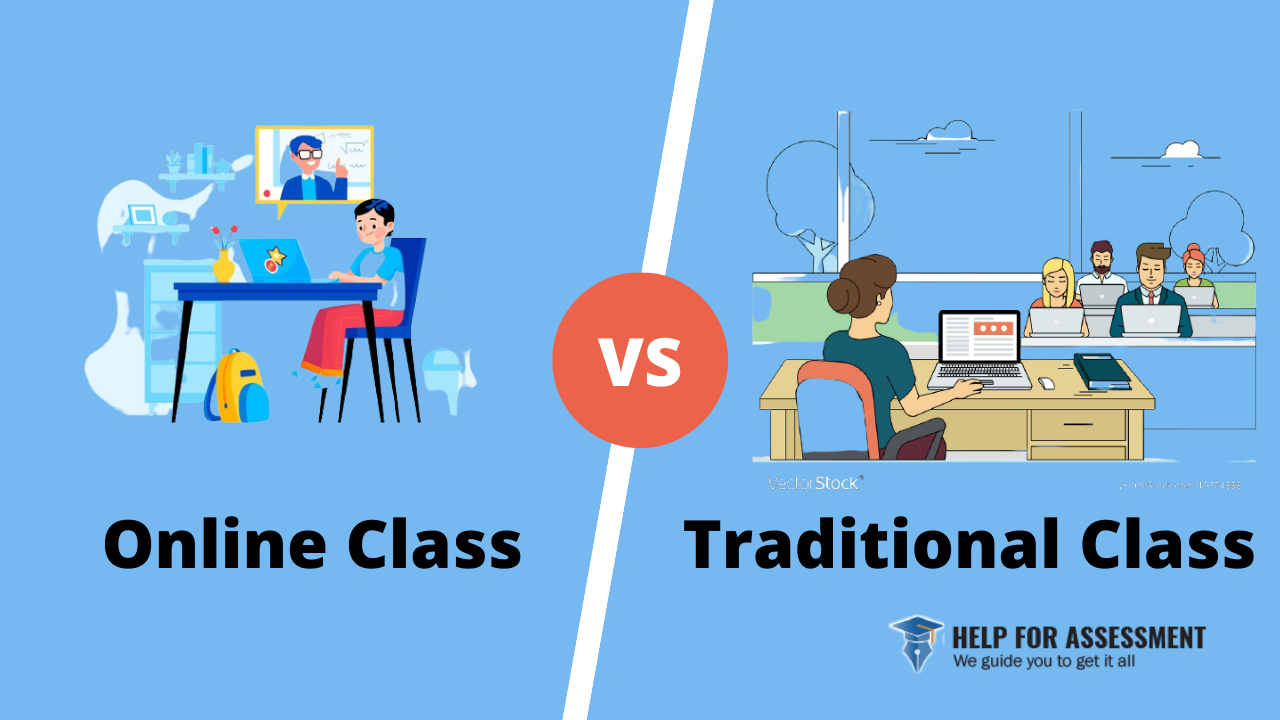
When considering higher education, one of the first decisions to make is whether to pursue a degree through an online college or a traditional campus. Each option comes with its own set of advantages and disadvantages, particularly in terms of scheduling, tuition costs, and learning environment.
Flexibility of Scheduling
Online colleges offer a high level of flexibility in scheduling, allowing students to complete coursework at their own pace and on their own time. This is ideal for individuals with full-time jobs or other commitments that make attending traditional classes difficult. On the other hand, traditional campus programs have set class times and require students to be present on campus, which may not be feasible for everyone.
Tuition Costs
- Online colleges often have lower tuition costs compared to traditional campus education. This is because online programs do not have the same overhead costs associated with maintaining physical facilities.
- Traditional campus education can be more expensive due to additional fees for campus amenities, room and board, and transportation costs.
Learning Environment
Online colleges offer a more flexible learning environment, allowing students to study from anywhere with an internet connection. This can be beneficial for those who prefer a more independent learning style. However, online learning may lack the in-person interaction and networking opportunities that traditional campus settings provide.
Return on Investment (ROI) Analysis
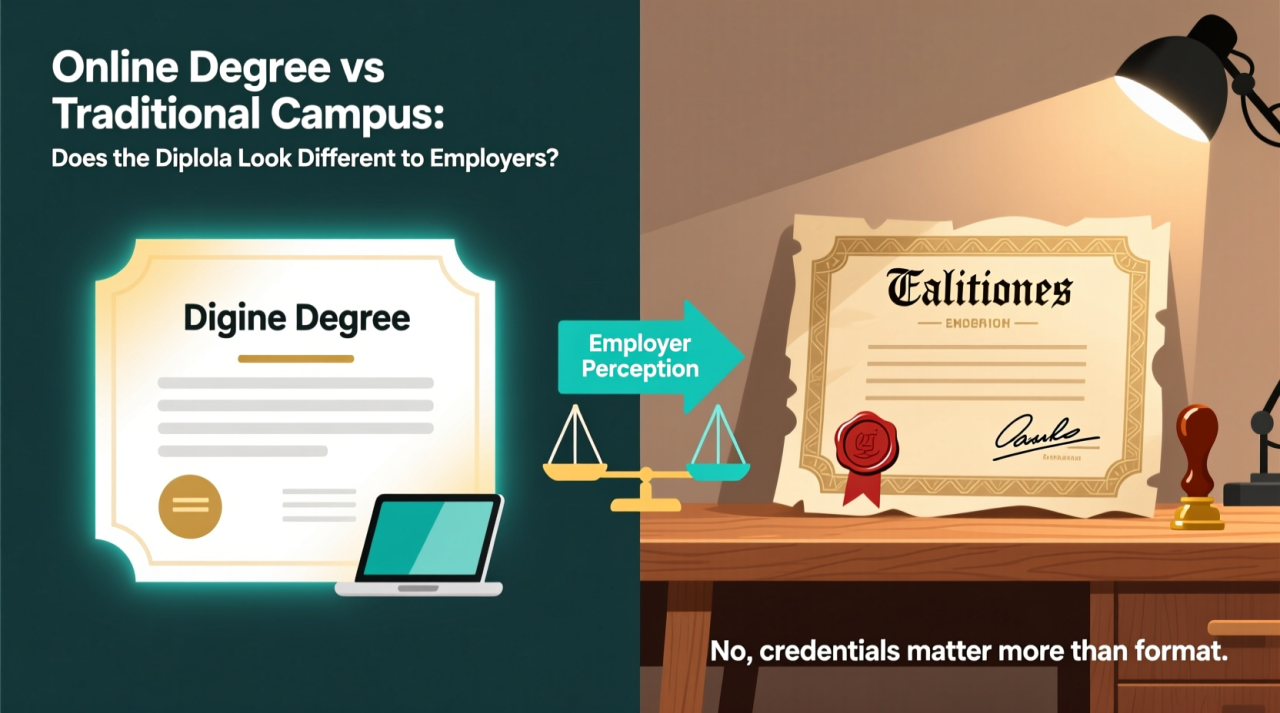 Online colleges and traditional campus programs both offer unique opportunities for students to pursue their education and enhance their career prospects. However, when it comes to evaluating the return on investment (ROI) for these options, several factors come into play. Let's delve into the potential career opportunities, earning potential, and networking impact for graduates of online colleges versus traditional campus programs.
Potential Career Opportunities
When it comes to career opportunities, graduates from online colleges and traditional campus programs can both access a wide range of job prospects. Online colleges often cater to working professionals who may not have the flexibility to attend traditional campus programs due to their existing commitments. This accessibility allows online college graduates to transition smoothly into the workforce, with opportunities in various industries and sectors. On the other hand, traditional campus graduates may benefit from the strong alumni networks and career services offered by their institutions, leading to potential job placements and internships.Long-Term Earning Potential
The long-term earning potential of graduates from online colleges versus traditional campus programs can vary based on several factors. Online college graduates may enjoy higher earning potential in certain fields where specialized skills are in demand, such as technology, healthcare, or business. However, traditional campus graduates may have an edge when it comes to securing higher-paying jobs in competitive industries due to the reputation and prestige of their alma materImpact of Networking Opportunities
Networking plays a crucial role in shaping the ROI for students attending online colleges versus traditional campuses. While online colleges offer virtual networking opportunities through online forums, webinars, and social media platforms, traditional campus programs provide in-person networking events, career fairs, and alumni connections. The personal connections and relationships built through traditional campus networking can open doors to job opportunities, mentorship, and professional growth that may not be as readily available to online college graduates. This human interaction and face-to-face networking can significantly impact the long-term ROI for traditional campus students.Quality of Education
Online colleges and traditional campus programs both aim to provide quality education to students, but there are differences in how this is achieved.Online colleges often offer flexibility and convenience for students who may have other commitments such as work or family. However, the quality of education provided by online colleges can sometimes be questioned due to the lack of face-to-face interaction with professors and peers.Evaluation of Resources
- Online colleges may lack physical resources like libraries and labs that are readily available on traditional campuses. This could impact the hands-on learning experience for students.
- Traditional campus programs usually have well-equipped libraries, labs, and other resources that enhance the overall learning experience for students.
- Access to academic support services may vary between online colleges and traditional campuses, with online colleges sometimes offering virtual tutoring or online resources.
Accreditation Status
- Accreditation is an important factor in determining the quality of education provided by an institution. Online colleges and traditional campus programs can be accredited by recognized agencies to ensure they meet certain standards.
- Accreditation status can impact the transferability of credits, acceptance into graduate programs, and overall reputation of the institution.
- Students should always verify the accreditation status of the institution before enrolling to ensure they are receiving a quality education.
Student Experience
When it comes to the student experience, both online colleges and traditional campuses offer unique opportunities for social interactions and networking. Let's delve into the differences between the two settings in terms of engagement, interaction, and overall satisfaction levels reported by students.Social Interactions and Networking Opportunities
In a traditional campus setting, students have the advantage of face-to-face interactions with peers and professors on a daily basis. This allows for spontaneous conversations, group study sessions, and extracurricular activities that foster a sense of community and belonging. On the other hand, online college students primarily interact through virtual platforms, which can sometimes lead to a sense of isolation. While online students can still engage in discussions and group projects, the lack of physical presence may hinder the development of strong personal connections.Level of Engagement and Interaction
In online colleges, students often communicate with professors and peers through emails, discussion boards, and video calls. While this allows for flexibility in scheduling and the opportunity to engage with classmates from diverse backgrounds, some students may find it challenging to establish meaningful relationships without face-to-face interaction. In contrast, traditional campus students have the advantage of immediate feedback from professors during lectures, in-person discussions with classmates, and the chance to participate in campus events that enhance their overall college experience.Overall Satisfaction Levels
Reports on student satisfaction levels vary between online colleges and traditional campuses. Some online students appreciate the convenience of remote learning and the ability to balance their studies with other commitments. However, others may feel disconnected from the campus community and miss out on the social aspects of college life. On the other hand, traditional campus students often value the vibrant campus atmosphere, in-person interactions, and networking opportunities that contribute to their overall satisfaction with the college experience.Final Conclusion
Summing up the comparison between online colleges and traditional campuses, the discussion highlights key points to consider when evaluating which educational path offers the best return on investment, providing a comprehensive view for readers to make well-informed choices.
Question & Answer Hub
What are the differences in tuition costs between online colleges and traditional campus programs?
Online colleges often have lower tuition costs due to reduced overhead expenses associated with physical facilities. Traditional campus programs may have higher tuition fees to cover campus maintenance and other related costs.
How does the quality of education in online colleges compare to traditional campus programs?
The quality of education in online colleges is comparable to traditional campuses as both offer accredited programs with qualified instructors. However, the learning environment and resources may vary.
Do online colleges provide networking opportunities similar to traditional campuses?
Online colleges offer networking opportunities through virtual platforms and online communities, which can be as effective as traditional campus networking events.