


As Accelerated Nursing Programs Near Me: Becoming an RN in Less Time takes center stage, this opening passage beckons readers with casual formal language style into a world crafted with good knowledge, ensuring a reading experience that is both absorbing and distinctly original.
In the following paragraphs, you will find detailed information about the features, advantages, and requirements of accelerated nursing programs, along with insights into the coursework and career opportunities they offer.
Researching Accelerated Nursing Programs
 When looking into accelerated nursing programs, it is essential to understand the unique features they offer compared to traditional programs. These programs are designed for individuals who already have a bachelor's degree in another field and wish to pursue a career in nursing in a shorter amount of time.
Advantages and Disadvantages of Accelerated Programs
- Advantages:
- Shortened duration: Accelerated programs can typically be completed in 12-18 months, allowing students to become registered nurses (RNs) faster.
- Intensive curriculum: These programs are fast-paced and immersive, providing a comprehensive nursing education in a condensed timeframe.
- Transitioning careers: Ideal for individuals looking to switch careers and enter the nursing profession without completing a full four-year program.
- Disadvantages:
- High intensity: The fast-paced nature of accelerated programs can be demanding and require a significant time commitment from students.
- Limited flexibility: Due to the accelerated nature of the program, there may be limited opportunities for breaks or time off during the program.
- Competitive admission: Admission into accelerated nursing programs can be highly competitive, with stringent prerequisites and limited spots available.
Admission Requirements for Accelerated Nursing Programs
Accelerated nursing programs typically have specific admission requirements tailored to individuals with a bachelor's degree in another field. These requirements may include:- Completion of prerequisite courses in science, math, and humanities.
- A minimum GPA requirement, often ranging from 3.0 to 3.5.
- Submission of official transcripts from all prior academic institutions.
- Letters of recommendation from academic or professional sources.
- A personal statement outlining the applicant's motivations and goals for pursuing a career in nursing.
- Completion of standardized tests such as the GRE or HESI exam.
Curriculum Overview of Accelerated Nursing Programs
Accelerated nursing programs are designed for individuals who already hold a bachelor's degree in a non-nursing field and wish to pursue a career in nursing in a shorter amount of time compared to traditional programs.In these programs, students cover the same essential nursing topics as in standard programs but in a more condensed and intensive format. The coursework typically includes foundational courses in nursing theory, anatomy and physiology, pharmacology, pathophysiology, and more.Comparison of Curriculum Structure
In accelerated nursing programs, students dive straight into nursing-specific courses without the general education requirements that are part of a traditional nursing program. This allows for a more focused and streamlined curriculum that emphasizes the essential skills and knowledge needed to become a registered nurse in a shorter timeframe.Clinical rotations and hands-on experience are still a crucial component of accelerated nursing programs. Students have the opportunity to apply their theoretical knowledge in real-world healthcare settings under the supervision of experienced nurses and clinical instructors. These practical experiences help students develop the necessary clinical skills and critical thinking abilities required for nursing practice.Time Commitment and Intensity of Accelerated Nursing Programs

Accelerated Nature of the Programs
Accelerated nursing programs typically last anywhere from 11 to 18 months, compared to traditional nursing programs that take 2-4 years to complete. This condensed timeline means that students are required to cover the same amount of material in a much shorter period, leading to a fast-paced and demanding learning environment.
Intensity of Coursework and Clinical Hours
Students in accelerated nursing programs often have to juggle multiple courses simultaneously, including advanced nursing theory and clinical skills. The coursework is usually more concentrated and accelerated, requiring students to dedicate a significant amount of time to studying and completing assignments. Additionally, clinical hours are intensive, with students spending long hours in healthcare settings to gain hands-on experience.
Tips for Managing the Demanding Schedule
- Develop a study schedule and stick to it to stay organized and on track with coursework.
- Utilize resources such as study groups, tutoring services, and online tools to enhance your learning experience.
- Practice self-care and make time for relaxation to prevent burnout and maintain mental well-being.
- Stay proactive and communicate with professors and classmates if you are struggling with the workload.
- Prioritize tasks and focus on the most critical assignments to manage time effectively.
Career Opportunities and Pathways After Completing an Accelerated Nursing Program
Upon completing an accelerated nursing program and becoming a Registered Nurse (RN), various career opportunities and pathways open up for individuals in the field of nursing. The fast-paced nature of accelerated programs equips graduates with the skills and knowledge necessary to excel in the healthcare industry.Job Prospects for RNs
- RNs have the opportunity to work in a variety of healthcare settings, including hospitals, clinics, nursing homes, and community health centers.
- With the increasing demand for healthcare professionals, RNs from accelerated programs are highly sought after by employers.
- Specialized areas such as critical care, pediatrics, oncology, and mental health offer RNs the chance to focus on specific patient populations and medical conditions.
Specialization and Further Education
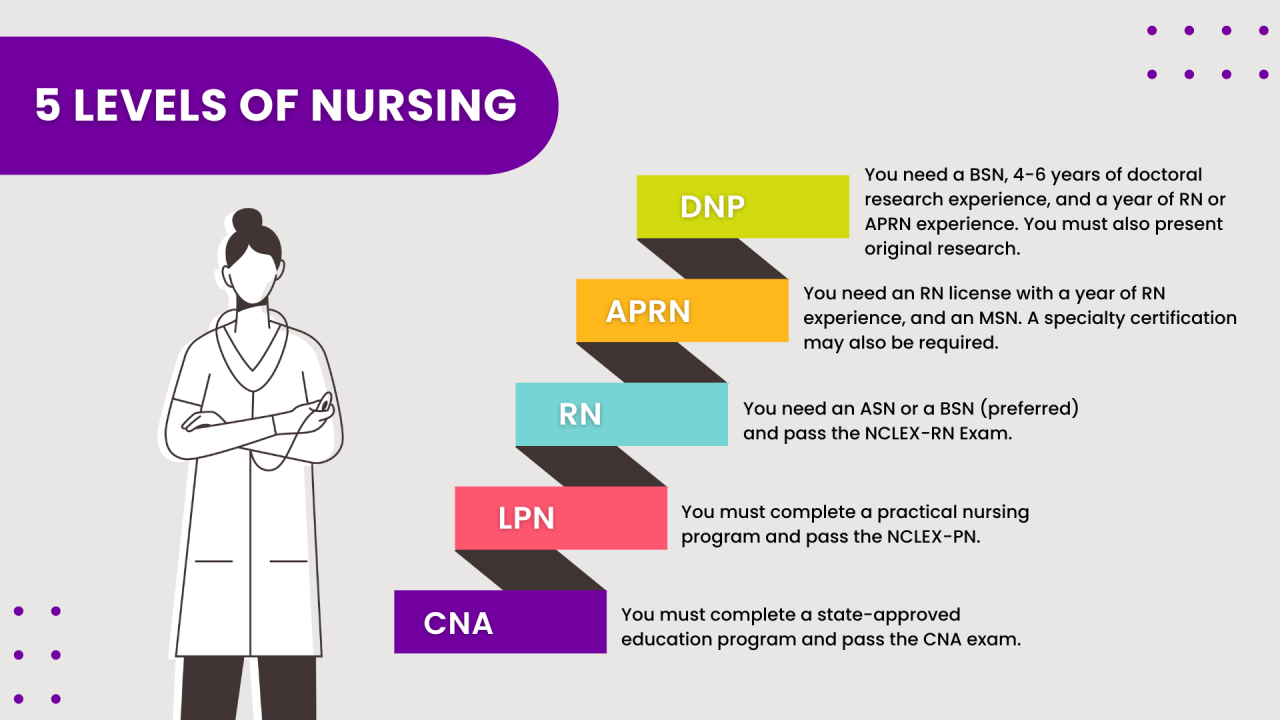
- After completing an accelerated nursing program, RNs can pursue advanced degrees such as a Master of Science in Nursing (MSN) or a Doctor of Nursing Practice (DNP) to specialize in areas like nurse practitioner, nurse educator, or nurse administrator.
- Specializing in a particular field not only enhances career opportunities but also allows RNs to provide specialized care to patients and make a significant impact in their chosen area of expertise.
Career Advancement through Accelerated Programs
- Accelerated nursing programs provide a fast-track route to entering the nursing profession, allowing individuals to start their careers sooner and begin making a difference in patient care.
- By completing an accelerated program, RNs can quickly advance to leadership positions within healthcare organizations, taking on roles such as nurse manager, director of nursing, or chief nursing officer.
- Continuing education and professional development opportunities are readily available for RNs who graduate from accelerated programs, enabling them to stay current with advancements in healthcare and further advance their careers.
Conclusion
In conclusion, Accelerated Nursing Programs Near Me: Becoming an RN in Less Time opens up a fast-track pathway to a rewarding career in nursing, offering a blend of intensive learning and practical experience that propels individuals towards professional success.
Top FAQs
What are the typical admission requirements for accelerated nursing programs?
Admission requirements usually include a bachelor's degree in a non-nursing field, prerequisite courses, letters of recommendation, and a competitive GPA.
How do accelerated nursing programs differ from traditional nursing programs?
Accelerated programs are shorter in duration, more intense, and cater to individuals with a non-nursing background, allowing them to become RNs in a condensed timeframe.
What career opportunities are available after completing an accelerated nursing program?
Graduates can pursue various roles as registered nurses in hospitals, clinics, or other healthcare settings. There is also potential for specialization or further education in advanced nursing practice.
How can one manage the demanding schedule of an accelerated nursing program?
Effective time management, prioritization of tasks, seeking support from peers and faculty, and maintaining a healthy work-life balance are essential for successfully navigating the rigorous schedule of an accelerated program.