


Embark on a journey to explore The Best Clinical-Based Nursing Programs Near Me for Hands-On Learning. This introduction sets the stage for an in-depth look into the world of nursing education, offering valuable insights and tips in a captivating manner.
In the following paragraph, we will delve deeper into the specifics of what makes these programs unique and essential for aspiring nurses.
Researching Clinical-Based Nursing Programs
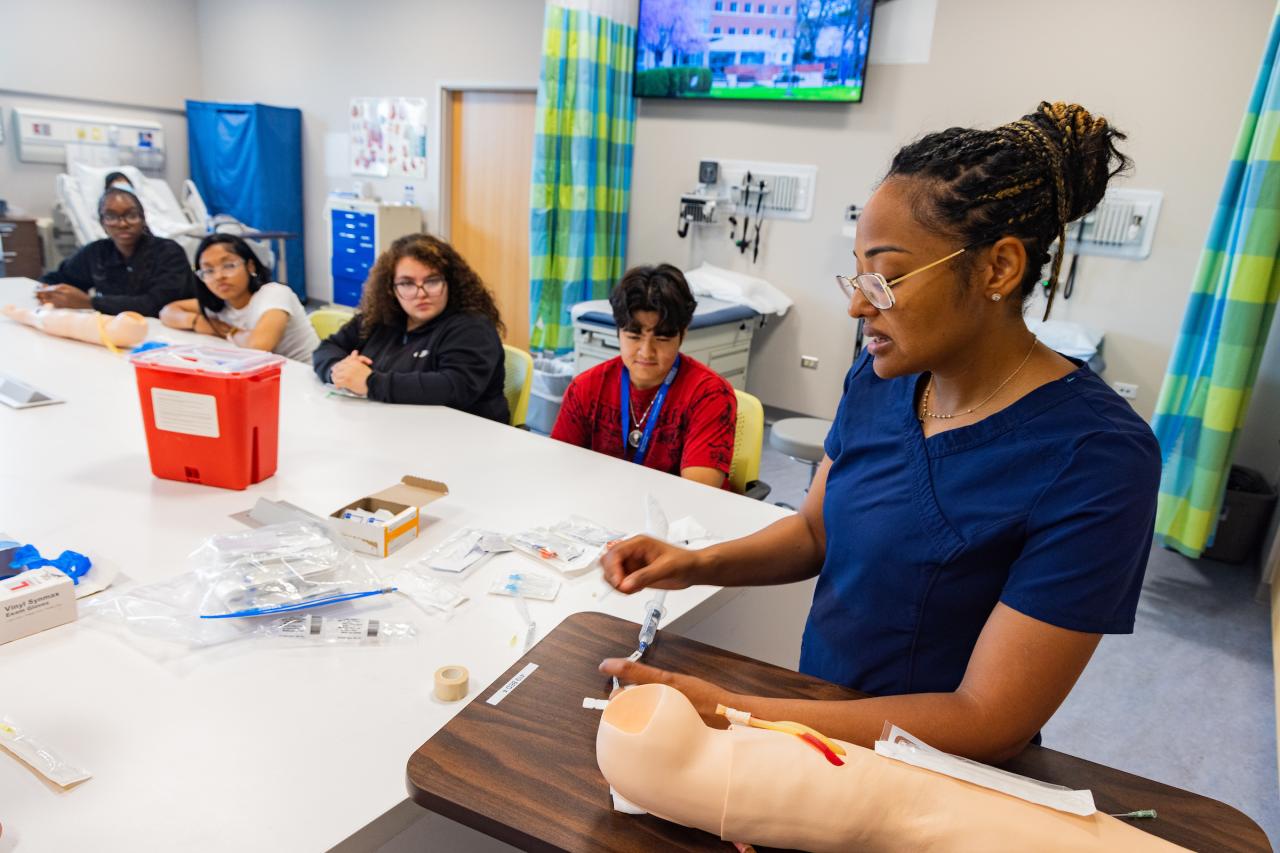 When looking for clinical-based nursing programs, it is essential to prioritize hands-on learning experiences. These practical opportunities allow students to apply theoretical knowledge in real-world settings, enhancing their skills and confidence as future nurses. Here are some criteria to consider and tips on finding the best clinical-based nursing programs near you:
Criteria to Consider When Researching Nursing Programs:
- Accreditation: Ensure the program is accredited by the appropriate nursing bodies to guarantee high-quality education and eligibility for licensure.
- Clinical Partnerships: Look for programs that have partnerships with reputable healthcare facilities to provide diverse clinical experiences.
- Curriculum: Review the curriculum to ensure it covers essential nursing topics and offers a balance between theory and practical training.
- Faculty Qualifications: Check the qualifications and experience of the faculty members to ensure you will receive proper guidance and mentorship.
- Graduation Rates and Job Placement: Research the program's graduation rates and job placement statistics to gauge its effectiveness in preparing students for successful careers.
Tips on Finding the Best Clinical-Based Nursing Programs Near You:
- Research Online: Utilize online resources to search for nursing programs in your area and read reviews from current and former students.
- Attend Information Sessions: Attend program information sessions or open houses to learn more about the curriculum, facilities, and faculty.
- Connect with Alumni: Reach out to alumni of the program to gain insights into their experiences and the quality of education they received.
- Visit Campus: Schedule a visit to the campus to get a feel for the facilities, meet with faculty members, and observe the learning environment.
- Consult with Advisors: Seek guidance from academic advisors, career counselors, or nursing professionals to help you make an informed decision.
Characteristics of Top Nursing Programs
When it comes to top nursing programs, there are several key characteristics that set them apart from the rest. These programs are known for their focus on hands-on learning and providing students with real-world clinical experience.
Structure of Clinical Components in Nursing Programs
In a typical nursing program, the clinical components are designed to give students practical experience working with patients in a healthcare setting. This may include rotations in hospitals, clinics, nursing homes, and other healthcare facilities. Students are supervised by experienced nurses and healthcare professionals to ensure they are learning and applying their skills effectively.
Key Factors for Hands-On Learning
- Simulation Labs: Top nursing programs often have state-of-the-art simulation labs where students can practice their skills in a controlled environment before working with real patients.
- Clinical Rotations: Hands-on experience through clinical rotations allows students to apply their knowledge in real healthcare settings, gaining valuable experience and confidence in their abilities.
- Preceptorship Opportunities: Some programs offer preceptorship opportunities where students are paired with a nurse mentor who guides them through their clinical experiences, providing personalized support and feedback.
Significance of Accreditation in Choosing a Nursing Program
Accreditation is crucial when choosing a nursing program as it ensures that the program meets high standards of quality and rigor set by accrediting bodies. Accredited programs have been evaluated for their curriculum, faculty qualifications, clinical experiences, and overall educational quality. Graduating from an accredited program can enhance job opportunities and eligibility for certifications and licensure.
Hands-On Learning Experiences
Hands-on learning is a crucial component of clinical-based nursing programs as it allows students to apply theoretical knowledge in practical settings, preparing them for real-world healthcare scenarios. Through hands-on experiences, nursing students develop clinical skills, critical thinking abilities, and gain confidence in their practice.Types of Hands-On Experiences
- Direct patient care: Students have the opportunity to interact with patients, perform assessments, administer medications, and assist with procedures under the supervision of clinical instructors.
- Simulation labs: These labs replicate clinical settings where students can practice skills such as wound care, medication administration, and responding to emergencies using high-fidelity manikins.
- Clinical rotations: Students work in healthcare facilities alongside experienced nurses, gaining exposure to different specialties and healthcare settings.
Examples of Simulation Labs and Their Role in Nursing Education
Simulation labs provide a safe environment for students to make mistakes, learn from them, and improve their clinical skills without compromising patient safety. These labs often include realistic scenarios that challenge students to think critically and respond effectively. For example, a simulation lab may simulate a cardiac arrest scenario where students must perform CPR, defibrillation, and medication administration.How Clinical Rotations Benefit Nursing Students
Clinical rotations offer students the opportunity to apply theoretical knowledge in real clinical settings, bridging the gap between classroom learning and practical experience. By working alongside experienced nurses, students gain valuable insights into patient care, teamwork, communication, and time management. Clinical rotations also help students explore different specialties, identify their areas of interest, and develop professional networks within the healthcare industry.Closest Clinical-Based Nursing Programs Near Me
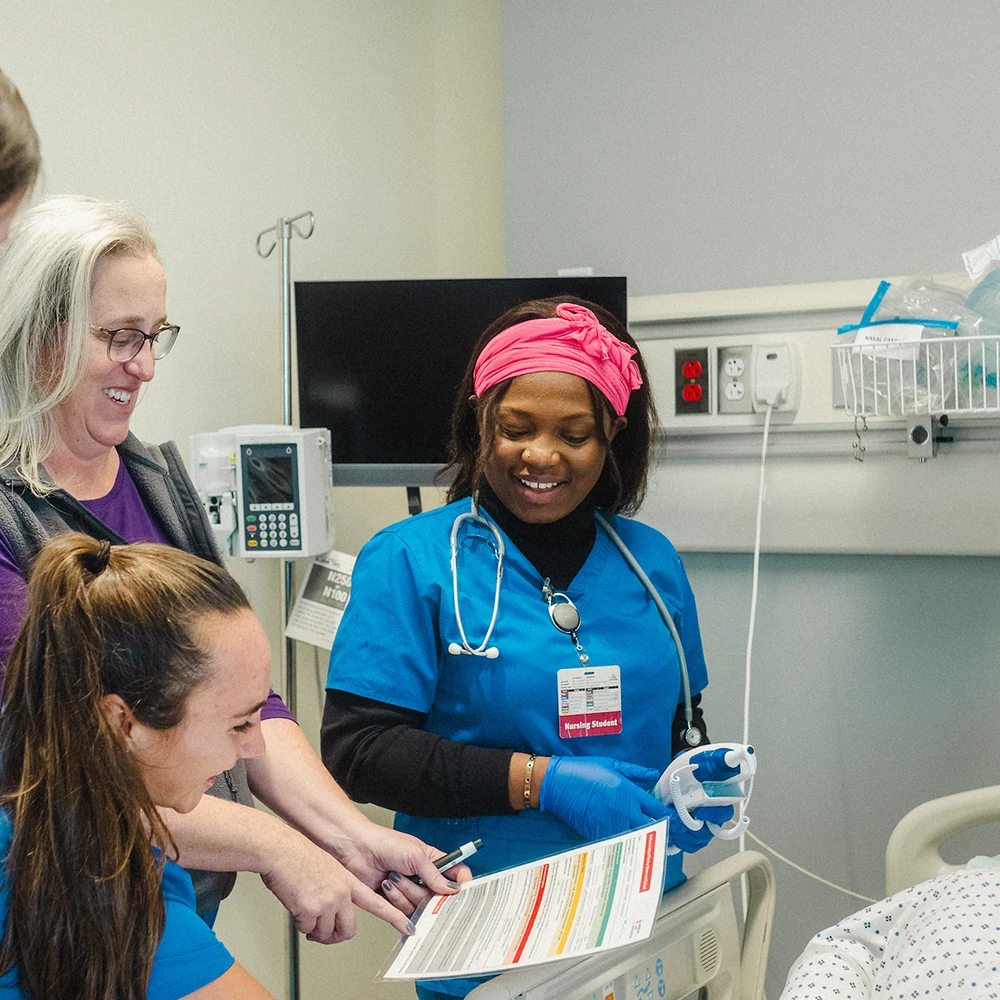 Finding the closest clinical-based nursing programs in your vicinity is crucial for your convenience and success in your academic journey. Here are some strategies to help you locate these programs and make an informed decision:
Locating the Closest Clinical-Based Nursing Programs
- Start by researching online: Use search engines and specific websites dedicated to nursing education to find a list of nursing programs near you.
- Check with local hospitals and healthcare facilities: Contact these institutions to inquire about any affiliated nursing programs or partnerships with educational institutions.
- Attend nursing fairs and events: These gatherings often have representatives from different nursing programs, allowing you to gather information and ask questions in person.
Importance of Proximity and Convenience
Choosing a nursing program close to your location offers several benefits:
- Easy access to clinical sites: Being near the program's affiliated hospitals or healthcare facilities can save you time and commuting expenses.
- Opportunities for networking: Proximity allows you to engage with faculty, staff, and fellow students more easily, fostering a sense of community and support.
- Balancing personal and academic life: Having a program nearby can help you manage your time effectively, juggling coursework, clinical hours, and personal commitments.
Visiting Campuses and Interacting with Faculty
Once you have a list of potential nursing programs near you, consider visiting their campuses and interacting with faculty members to assess the programs:
- Schedule campus tours: Observe the facilities, classrooms, and simulation labs to get a feel for the learning environment.
- Attend information sessions: Learn about the curriculum, clinical placements, and support services offered by the program.
- Ask questions: Engage with faculty members to inquire about teaching methods, student success rates, and opportunities for hands-on learning experiences.
Final Conclusion
As we wrap up our discussion, remember that finding the right clinical-based nursing program can be a game-changer for your career. This outro provides a recap of key points and leaves you with a sense of anticipation for what lies ahead in your educational journey.
FAQ Overview
What criteria should I consider when researching nursing programs?
When researching nursing programs, factors like accreditation, clinical components, and proximity should be top priorities.
How can I find the best clinical-based nursing programs near me?
You can start by checking online resources, visiting campuses, and interacting with faculty to get a feel for the programs available in your area.
What types of hands-on experiences can students expect in clinical-based nursing programs?
Students may encounter simulation labs, clinical rotations, and real-life patient interactions to enhance their practical skills.