


Embark on a journey to accelerate your career with insights on fast-tracking your early childhood education degree. Discover strategies, tips, and essential skills to propel your professional growth in the field.
Uncover the key to advancing your career through efficient educational pathways and practical experiences that set you apart in the competitive landscape of early childhood education.
Understanding Early Childhood Education Degree Programs
Early childhood education degree programs are designed to prepare individuals for careers working with young children in various educational settings. These programs typically cover topics such as child development, curriculum planning, and classroom management.
Types of Early Childhood Education Degree Programs
- Associate's Degree: A two-year program that provides foundational knowledge and skills for entry-level positions in early childhood education.
- Bachelor's Degree: A four-year program that offers more in-depth coursework and practical experience for aspiring educators.
- Master's Degree: A graduate-level program that allows educators to specialize in areas such as special education or administration.
Core Courses in Early Childhood Education Degree Programs
- Child Development: Study of physical, cognitive, and social-emotional growth in children.
- Early Childhood Curriculum: Designing and implementing developmentally appropriate learning experiences.
- Classroom Management: Strategies for creating a positive and effective learning environment.
Online vs. On-Campus Programs
Online early childhood education degree programs offer flexibility for working professionals and those with busy schedules. On the other hand, traditional on-campus programs provide hands-on experience and face-to-face interaction with professors and peers.
Importance of Accreditation
Choosing an accredited early childhood education program ensures that the curriculum meets quality standards set by accrediting bodies. Accreditation also affects job prospects and eligibility for licensure in the field.
Accelerating Your Early Childhood Education Degree
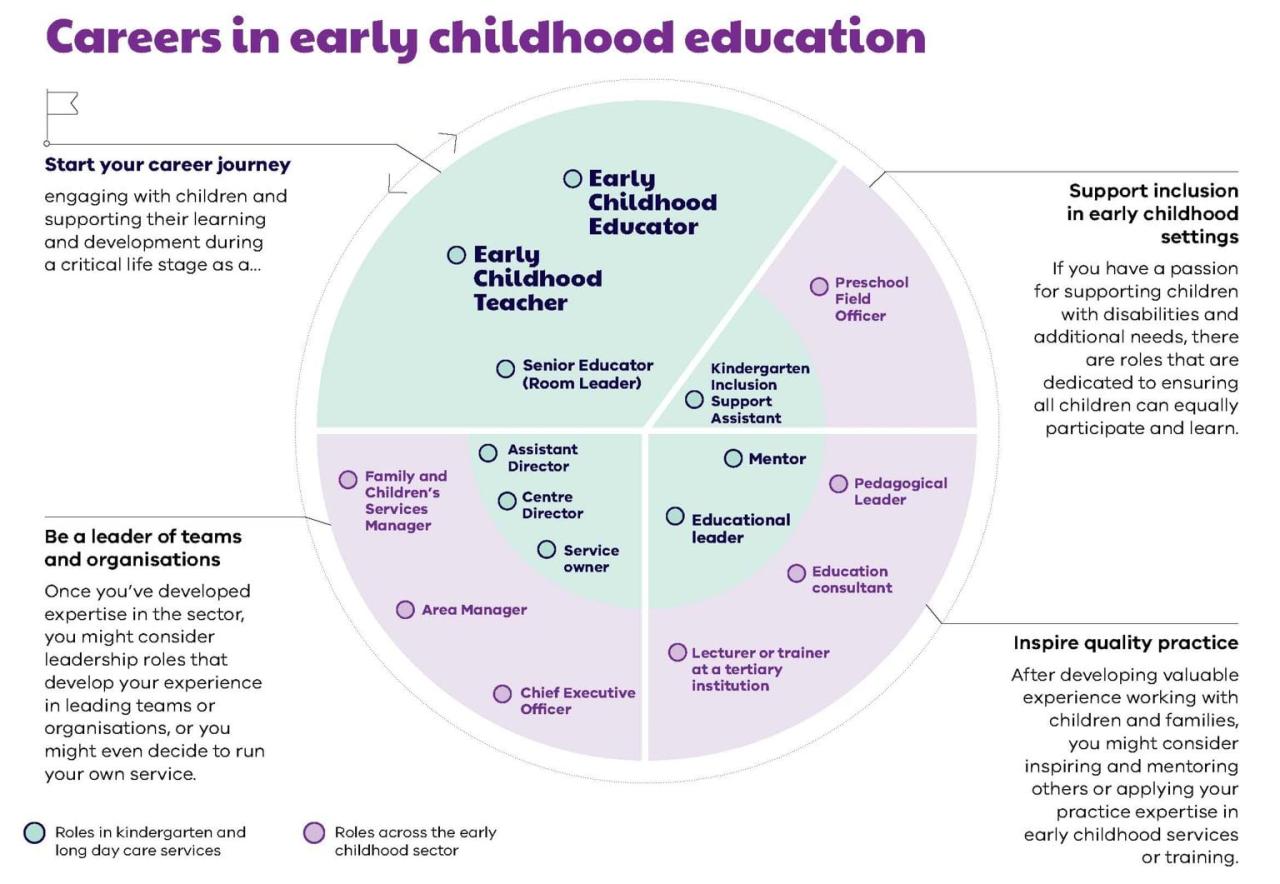 Accelerating your early childhood education degree can open up new career opportunities and fast-track your journey towards professional growth. By implementing the right strategies and making the most of available resources, you can expedite the completion of your degree program and enter the workforce sooner.
Strategies for Taking Advantage of Accelerated Degree Programs
- Research universities or colleges that offer accelerated degree programs specifically tailored for early childhood education.
- Consult with academic advisors to create a customized plan that aligns with your goals and maximizes efficiency.
- Consider online or hybrid programs that allow for flexible scheduling and faster completion.
Tips for Maximizing Transfer Credits to Fast-Track Your Degree
- Prioritize transferring credits from previous relevant coursework, certifications, or professional experiences.
- Request credit evaluations from prospective institutions to determine which credits are eligible for transfer.
- Take advantage of credit-by-exam options like CLEP or DSST to earn credits for subjects you are already proficient in.
Option of Summer Classes or Intensive Courses to Expedite Your Education
Summer classes or intensive courses can significantly shorten the time needed to complete your early childhood education degree. By dedicating concentrated time and effort during these periods, you can cover more material and progress through your program at a faster pace.Possibility of Competency-Based Education for Faster Completion
Competency-based education focuses on mastering specific skills and knowledge areas rather than traditional credit hour requirements. This approach allows you to advance through your coursework based on your understanding and demonstration of competencies, potentially accelerating your degree completion timeline.Gaining Practical Experience and Skills
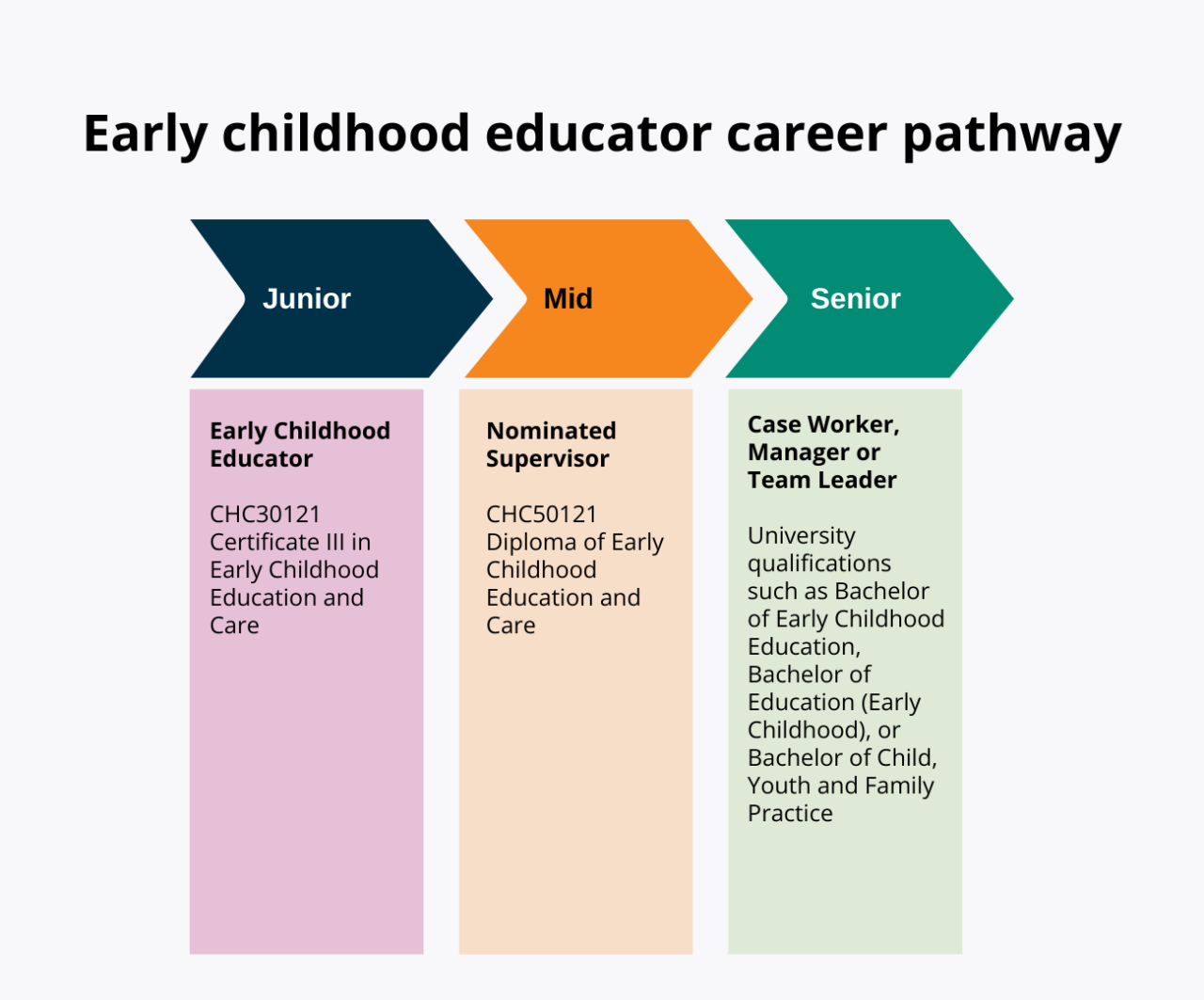 Practical experience is crucial in the field of early childhood education as it provides hands-on opportunities to apply theoretical knowledge, develop essential skills, and gain a deeper understanding of working with young children
Significance of Practical Experience
- Allows students to observe and interact with children in real-world settings.
- Helps in developing effective communication skills with children, parents, and colleagues.
- Provides insights into classroom management techniques and strategies.
- Enhances understanding of child development and individual learning needs.
Benefits of Internships, Practicums, or Field Experiences
- Offers hands-on experience in diverse early childhood settings.
- Builds professional networks and connections within the field.
- Allows for mentorship and guidance from experienced educators.
- Enhances resume and job prospects upon graduation.
Tips for Balancing Work Experience with Academic Studies
- Create a realistic schedule that allocates time for both work experience and academic commitments.
- Communicate effectively with supervisors and professors about your workload and commitments.
- Utilize time management techniques to prioritize tasks and stay organized.
- Seek support from peers, mentors, or academic advisors when needed.
Developing Essential Skills
- Practice active listening and effective communication with children, parents, and colleagues.
- Learn techniques for positive behavior guidance and classroom management.
- Participate in professional development opportunities to stay updated on best practices in early childhood education.
- Engage in reflective practices to assess and improve teaching strategies and interactions with children.
Building a Professional Network and Seeking Mentorship
Networking and mentorship play a crucial role in the early childhood education field, offering valuable opportunities for career growth and professional development. By connecting with professionals, professors, and alumni in the industry, you can gain insights, advice, and potential job opportunities that can advance your career in early childhood education.Connecting with Professionals, Professors, and Alumni
Building a strong professional network involves reaching out to individuals who share your passion for early childhood education. Here are some tips on how to connect with professionals, professors, and alumni in the field:- Attend industry events, conferences, and workshops to meet and interact with professionals in the early childhood education sector.
- Join online forums, social media groups, and professional organizations related to early childhood education to engage with like-minded individuals.
- Reach out to professors and alumni from your educational institution to seek advice, mentorship, and potential job opportunities.
- Participate in volunteer work or internships to network with professionals in early childhood education settings.
Benefits of Seeking Mentorship
Mentorship from experienced educators or administrators can provide invaluable guidance and support as you navigate your early childhood education career. Some benefits of seeking mentorship include:- Access to valuable advice, insights, and resources that can help you enhance your skills and knowledge in the field.
- Opportunities to learn from the experiences and expertise of seasoned professionals, allowing you to avoid common pitfalls and accelerate your career growth.
- Increased confidence and motivation through the encouragement and support of a mentor who believes in your potential.
Expanding Your Network through Conferences, Workshops, and Seminars
Attending conferences, workshops, and seminars in the early childhood education field can broaden your professional network and expose you to new ideas and best practices. Here are some tips for making the most of these events:- Actively participate in networking sessions and engage in conversations with fellow attendees to establish meaningful connections.
- Attend presentations, panel discussions, and workshops to stay informed about the latest trends and developments in early childhood education.
- Exchange contact information with professionals you meet at these events and follow up with them to maintain and nurture your professional relationships.
Ending Remarks
As we conclude this exploration of fast-tracking your early childhood education degree, remember that the road to success is paved with continuous learning, networking, and mentorship. Seize the opportunities ahead and watch your career flourish in the dynamic realm of early childhood education.
User Queries
How can I accelerate my early childhood education degree?
To accelerate your degree, consider taking advantage of accelerated programs, maximizing transfer credits, and exploring competency-based education options.
Why is gaining practical experience important in early childhood education?
Practical experience is crucial for applying classroom learning to real-world settings, developing essential skills, and standing out to potential employers.
How can I build a professional network in the early childhood education field?
You can build a network by connecting with professionals, professors, and alumni, seeking mentorship, and attending industry events such as conferences and workshops.