


Embarking on the journey of selecting the ideal nursing program for specialized care near you, this article aims to provide valuable insights and guidance.
Delving into the details of different nursing programs, their requirements, clinical experiences, faculty support, and more, we aim to equip you with the necessary information to make an informed decision.
Researching Nursing Programs Near Me
When looking for nursing programs near you, it is essential to conduct thorough research to find the best option for your specialized care training. Here are some key factors to consider:Identify the Different Nursing Programs Available
- Make a list of all the nursing programs offered in your area, including universities, colleges, and vocational schools.
- Look for programs that specialize in the area of nursing you are interested in, such as pediatrics, geriatrics, or mental health.
Compare Curriculum and Specialization Options
- Compare the curriculum of each program to see which one aligns best with your career goals and interests.
- Check if the programs offer specialized training in the areas you wish to focus on, such as intensive care, oncology, or neonatal nursing.
Explore Reputation and Accreditation
- Research the reputation of the nursing schools near you by reading reviews, talking to current students, and checking rankings.
- Ensure that the programs you are considering are accredited by the appropriate nursing bodies to guarantee quality education and training.
Discuss Facilities and Resources for Specialized Care Training
- Visit the campuses of the nursing schools to see their facilities, including simulation labs, clinical settings, and specialized equipment.
- Inquire about the resources available for specialized care training, such as access to cutting-edge technology and experienced faculty members.
Evaluating Program Requirements
When considering nursing programs for specialized care, it is crucial to understand the admission requirements for each program. These requirements can vary depending on the focus and intensity of the specialized care program you are interested in pursuing.Admission Requirements
- Most nursing programs require a high school diploma or equivalent as a basic admission requirement.
- Some specialized care programs may have additional prerequisites such as specific science courses or healthcare-related experience.
- Certain programs may require a minimum GPA for admission, so it is essential to check the academic requirements beforehand.
Prerequisites for Specialized Care Programs
- Specialized care programs may require applicants to have completed courses in anatomy, physiology, and pharmacology to ensure a strong foundation in healthcare knowledge.
- Some programs may also require specific certifications such as CPR certification or healthcare provider licenses to demonstrate readiness for hands-on patient care.
Specific Certifications or Experiences
- Depending on the specialized care program, applicants may need to have relevant work experience in a healthcare setting to demonstrate their commitment to the field.
- Certain programs may require applicants to have completed volunteer work or internships in a specific area of healthcare to gain practical experience.
Flexibility of Scheduling and Program Duration
- Some nursing programs offer flexible scheduling options such as evening classes or online courses to accommodate working professionals or students with other commitments.
- The duration of specialized care programs can vary, with some programs lasting a few months for certification courses, while others may be longer for more in-depth training.
Considering Clinical Experience Opportunities
When looking for the best nursing programs near you for specialized care, it is crucial to consider the clinical experience opportunities offered by each program. Clinical placements play a vital role in shaping your nursing skills and preparing you for real-world scenarios in specialized care settings.Exploring Clinical Placement Opportunities
- Research the variety of clinical placement options available through each nursing program.
- Consider the range of specialized care settings where you can gain hands-on experience.
- Look for opportunities to work with diverse patient populations to enhance your skills.
Availability of Specialized Care Settings for Hands-On Training
- Assess whether the nursing programs offer placements in specialized care facilities such as oncology units, pediatric wards, or mental health clinics.
- Look for programs that provide exposure to advanced medical technologies and treatments used in specialized care.
- Consider the opportunity to work with interdisciplinary teams in specialized care settings for a comprehensive learning experience.
Mentorship and Guidance During Clinical Experiences
- Find out how nursing programs support students with experienced mentors during clinical placements.
- Consider the level of one-on-one guidance and feedback provided by clinical instructors to help you improve your skills.
- Look for programs that prioritize mentorship to enhance your learning and professional development.
Alignment of Clinical Experiences with Career Goals
- Evaluate how the clinical experiences offered by each program align with your career goals in specialized care.
- Consider whether the hands-on training provided will help you develop the skills needed for your desired nursing specialty.
- Look for programs that offer opportunities for professional growth and networking in your chosen field of specialized care.
Reviewing Faculty and Support Services
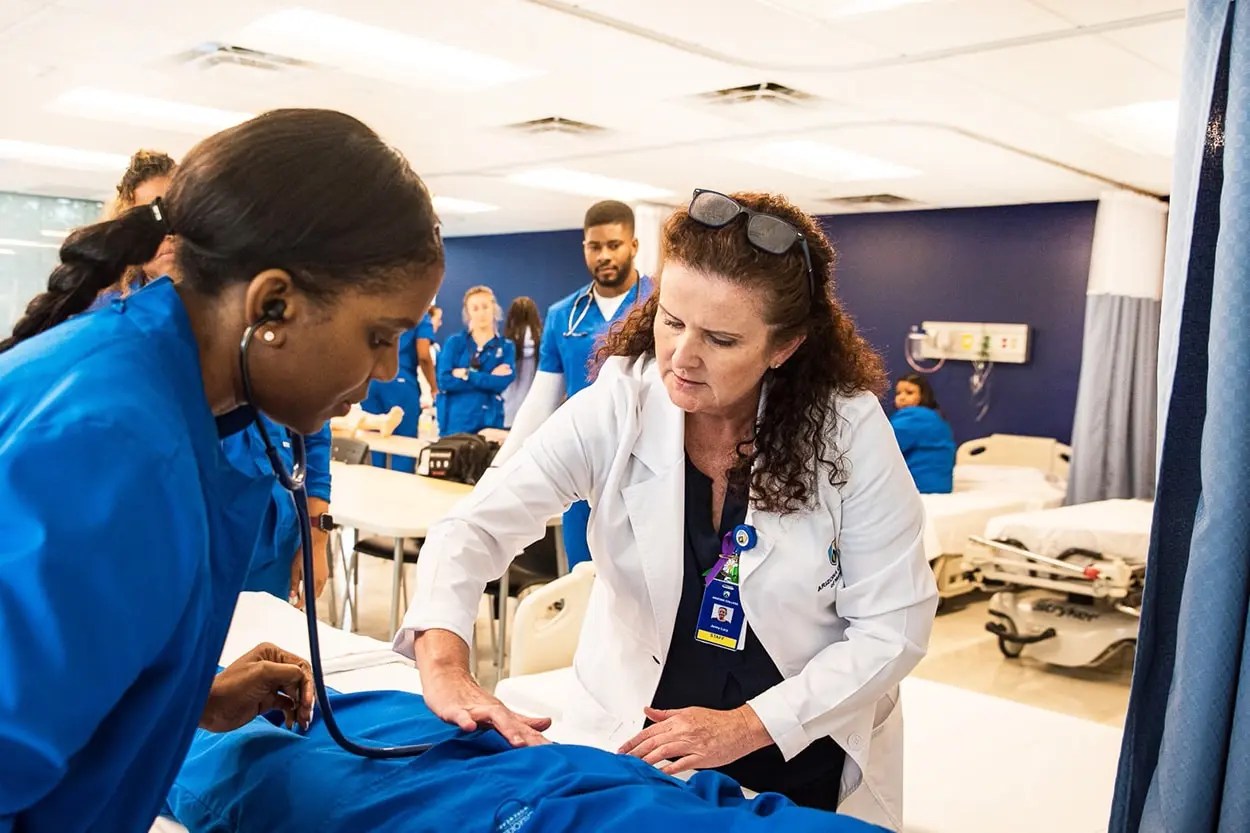 When choosing the best nursing programs for specialized care, it is essential to review the faculty and support services offered by the institution. The qualifications and expertise of the nursing faculty, as well as the support services available, play a crucial role in shaping the educational experience of nursing students.
Qualifications and Expertise of Nursing Faculty
- Evaluate the academic qualifications, experience, and expertise of the nursing faculty members.
- Look for faculty members who are actively involved in research, clinical practice, and professional development.
- Consider the faculty-to-student ratio to ensure personalized attention and support in your academic journey.
- Check if the faculty members have specialized knowledge in the area of nursing you are interested in pursuing.
Support Services for Specialized Care Students
- Describe the various support services available, such as tutoring, academic counseling, and career guidance.
- Look for institutions that offer specialized support for students pursuing specialized care, such as mental health resources or disability services.
- Consider the availability of study groups, peer mentoring programs, and networking opportunities for nursing students.
- Check if the institution provides support for clinical placements, internships, and job placements in specialized care settings.
Mentorship Programs and Academic Advising
- Discuss the mentorship programs available for nursing students, including opportunities to connect with experienced professionals in the field.
- Explain how academic advising services can help students navigate through program requirements, course selection, and career planning.
- Look for institutions that prioritize personalized mentorship and academic advising to support students in achieving their academic and career goals.
- Consider the impact of mentorship and academic advising on the overall success and satisfaction of nursing students in specialized care programs.
Contribution to Successful Nursing Education
- Explain how the qualifications and expertise of the nursing faculty contribute to a high-quality education for students pursuing specialized care.
- Discuss how support services enhance the learning experience, retention rates, and overall satisfaction of nursing students.
- Highlight the role of mentorship programs and academic advising in helping students develop clinical skills, critical thinking abilities, and professional competencies.
- Emphasize the importance of faculty and support services in preparing nursing students for successful careers in specialized care settings.
Summary
Concluding our discussion on How to Choose the Best Nursing Programs Near Me for Specialized Care, we have unraveled essential factors to consider in your pursuit of a rewarding nursing education.
User Queries
What are the key factors to consider when choosing a nursing program for specialized care?
Factors to consider include program curriculum, specialization options, clinical experiences, faculty qualifications, and support services.
Are there specific certifications required for admission to specialized care nursing programs?
Some programs may require certifications such as BLS (Basic Life Support) or ACLS (Advanced Cardiovascular Life Support).
How important is the reputation of a nursing school when making a decision?
A school's reputation can reflect its quality of education, resources, and opportunities, so it is an important factor to consider.
Can program duration and scheduling flexibility vary among nursing programs?
Yes, different programs may offer varying durations and scheduling options to cater to the needs of students.
What role do clinical experiences play in preparing for a career in specialized care?
Clinical experiences provide hands-on training, exposure to real-world scenarios, and the opportunity to apply theoretical knowledge in practice.